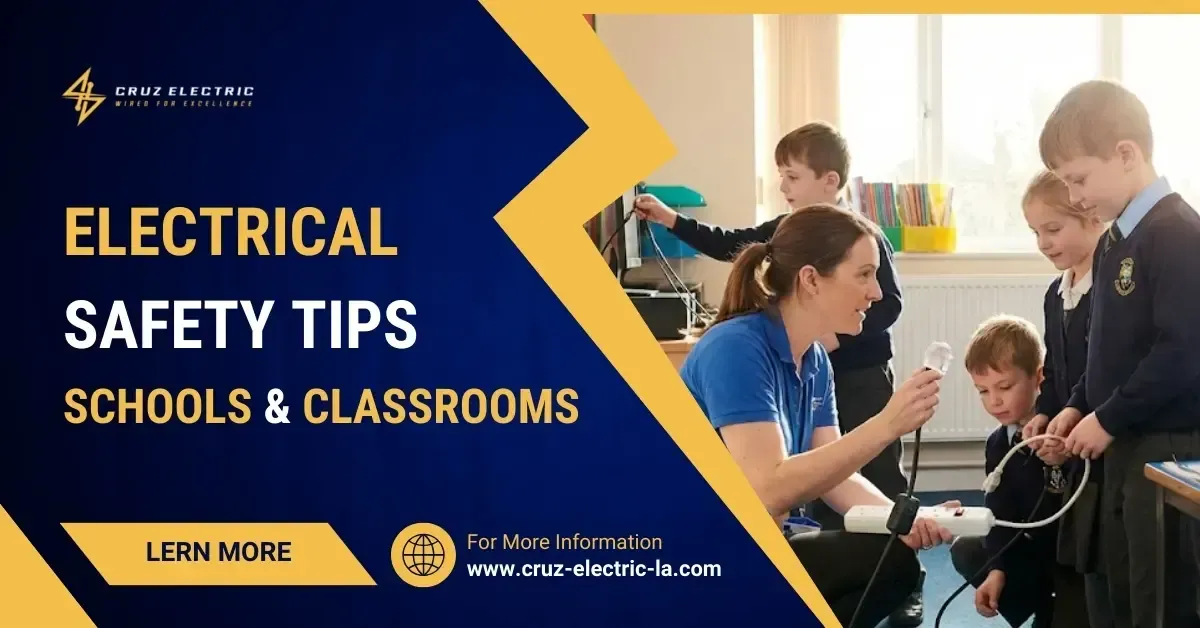
Electrical Safety Tips for Schools and Classrooms
Ensuring electrical safety in schools and classrooms is crucial to creating a safe learning environment. Schools rely on various electrical equipment, from computers to projectors, to help students learn, but if not managed properly, this equipment can become a serious hazard. This Electrical safety for schools not only protects students but also reduces the risk of costly damage or accidents.
In this blog, we’ll share electrical safety tips for schools and classrooms, focusing on how to keep your electrical systems safe, prevent electrical hazards, and ensure a secure environment for everyone. Whether you’re in La Puente, CA, or anywhere else, these tips can help make sure your school stays safe and efficient this school year.
The Importance of Proper Electrical Equipment Handling
Proper handling of electrical equipment is vital to maintaining a safe and efficient school environment. It's essential to use appliances and electrical devices correctly and ensure they are in good condition.
Misusing electrical devices, such as relying on extension cords or power strips as a long-term solution, can lead to overloaded circuits, increasing the risk of fire or electric shock. This can be especially concerning in schools located in areas like La Puente, CA, where older buildings may have outdated wiring. To prevent accidents, it is crucial to stay proactive with inspections and maintenance. Here are a few key steps to follow for proper electrical equipment handling:
Avoid Overloading Circuits: Never plug too many devices into one outlet or power strip.
Regularly Check Cords, Plugs, and Outlets: Inspect for any signs of wear, frays, or cracks.
Unplug Devices When Not in Use: Always unplug electronics and devices to prevent overheating or electrical shock.
Replace Faulty Equipment Immediately: If any equipment is damaged or in poor condition, it should be replaced to avoid safety risks.
Inspect for Exposed Wiring: Ensure that all wires are properly insulated and there are no exposed electrical connections.
Call a Professional: For schools in La Puente, Cruz Electric offers comprehensive safety audits to ensure all electrical systems are up to code and free from hazards.
Safety Tips for Schools and Classrooms
To ensure electrical safety in schools, here are some safety tips tailored specifically for classrooms:
Inspect Electrical Equipment Regularly
Checking electrical equipment regularly is crucial to ensure that everything is functioning properly and safely. Damaged or worn-out equipment can lead to electric shock, fires, or other electrical accidents.
It’s important to take time and inspect all devices for any signs of damage before use. Common issues include frayed cords, cracked plugs, or exposed wiring. To ensure safety:
Check cords for frays: Inspect all power cords for any signs of damage, such as exposed wires or frays.
Look for cracked plugs: Cracked plugs can cause electric shock or lead to short circuits.
Test electrical outlets: Make sure outlets are not loose or faulty, which can create a risk of fire.
Replace damaged items: If anything is broken or damaged, make sure to replace or repair it immediately.
For schools in La Puente, CA, where older buildings are common, Cruz Electric can conduct regular safety audits to ensure all equipment and wiring are in good working condition.
Never Overload Outlets
Overloading electrical outlets is one of the most common causes of electrical fires. Plugging too many devices into a single outlet can lead to overheating, and if a circuit isn’t properly protected, it could spark a fire.
Power strips are helpful, but they need to be used correctly to avoid creating a risk. Instead of using multiple plugs in one outlet, use power strips with built-in circuit breakers to protect the circuit from overload. Here’s how to avoid overloading outlets:
Limit devices per outlet: Never plug more than two or three devices into one outlet, especially high-power items like space heaters or kitchen appliances.
Use power strips with circuit breakers: These devices automatically turn off power when an overload is detected, reducing the risk of fire.
Avoid daisy-chaining power strips: Never connect one power strip to another, as this can easily cause an overload.
Turn off unused devices: Unplug devices when not in use to reduce the strain on the outlet.
Unplug Devices When Not in Use
Unplugging devices when they’re not in use is a simple yet effective way to prevent electrical hazards. Devices like laptops, chargers, and appliances can still draw power even when turned off, which can lead to overheating, electric shock, or fire risks.
It's important to develop the habit of unplugging devices, especially in classrooms where electrical equipment is frequently used. Here’s how to safely manage electrical devices:
Unplug chargers: Always unplug chargers when not in use, especially for laptops and tablets, to prevent energy waste and overheating.
Turn off electronics: Unplug devices like computers, projectors, or printers when they’re not in use to prevent potential accidents.
Unplug appliances in kitchens: Ensure that kitchen appliances, like toasters or microwaves, are turned off and unplugged when not in use.
Practice energy-saving habits: Encourage staff and students to make unplugging a regular part of their routine to save power and reduce safety risks.
Keep Water Away from Electrical Equipment
Water and electricity do not mix. In areas like kitchens, science labs, and other spaces where water is often used, the risk of electric shock increases significantly. Even small amounts of water can cause a short circuit or lead to electric shocks if they make contact with electrical outlets, wires, or devices.
To prevent accidents, it's essential to maintain a dry environment around electrical systems. Here are a few simple tips to keep water away from electrical equipment:
Use waterproof covers: Install waterproof covers over outlets and plugs in areas like kitchens or bathrooms to prevent water from coming into contact with the equipment.
Clean up spills immediately: If water is spilled near electrical equipment, ensure it is cleaned up quickly, and the equipment is turned off and unplugged before further use.
Install GFCI outlets: In kitchens and bathrooms, use GFCI outlets (Ground Fault Circuit Interrupters) to prevent electric shocks caused by water exposure.
Keep appliances away from sinks: Ensure that appliances like blenders, microwaves, or kettles are placed at a safe distance from sinks or areas where water could spill.
Educate Students and Staff
One of the most effective ways to prevent electrical accidents in the classroom is through education. Teaching students and staff about electrical safety creates awareness and helps avoid accidents caused by improper handling of electrical devices.
Simple actions like keeping cords in good condition or recognizing the risks of exposed wires can make a big difference in reducing accidents. Here’s how to educate students and staff about electrical safety:
Teach students proper use of devices: Explain the importance of keeping cords intact and not using damaged cords.
Create awareness about electrical hazards: Discuss the dangers of water around electrical outlets and remind students to never touch outlets or plugs with wet hands.
Establish classroom rules: Set guidelines for the proper use of electrical equipment in the classroom, such as never leaving space heaters or electronic devices unattended.
Encourage reporting damaged equipment: Make sure students know who to contact if they see any damaged equipment or electrical hazards in the classroom.
Best Practices for Preventing Electrical Accidents
Preventing electrical accidents requires proactive measures and awareness. Here are some of the best practices to follow in schools and classrooms:
Use Proper Equipment: Ensure that all appliances and electrical devices used in the classroom are designed for school use and meet safety standards. Avoid using low-quality or unapproved electrical devices.
Regularly Check Electrical Systems: Schedule periodic inspections with a licensed electrician to inspect the wiring, circuit breakers, and outlets to ensure everything is functioning properly.
Secure Electrical Cords: Keep cords out of high-traffic areas where they could be tripped over or damaged. Use cable organizers to keep cords from tangling or becoming a hazard.
Implement a No-Tolerance Policy for Misuse: Students should be taught not to plug multiple devices into the same outlet or leave electrical equipment unattended while charging.
Install Smoke Detectors and Fire Extinguishers: Make sure classrooms have smoke detectors and fire extinguishers in place, especially in areas with space heaters or other heat-producing equipment.
When to Call an Electrician for Repairs
Even with the best precautions, there will be times when an electrical system needs repair. Here’s when you should call an electrician:
Frequent Tripped Circuit Breakers: If your circuit breaker keeps tripping, it may indicate an overload, a short circuit, or a wiring issue that needs to be addressed by a professional.
Sparks or Smoke: If you see sparks or smell smoke coming from an outlet or device, this is a serious electrical hazard that requires immediate attention from an expert.
Hot Outlets or Plugs: If outlets or plugs are warm to the touch, it’s a sign of overheating, which could lead to a fire if not fixed.
Flickering Lights: If lights in your classroom flicker or dim repeatedly, it could indicate a loose connection or a problem with the wiring.
Exposed Wiring: If you notice exposed wiring in the classroom or around the school, call a professional to repair it immediately to avoid electrical shock.
For reliable and professional service, Cruz Electric is your trusted partner in ensuring that all electrical systems are safe, up-to-date, and functioning properly.
5 FAQs
What should I do if a circuit breaker keeps tripping?
If the circuit breaker keeps tripping, it’s important to check for overloaded outlets or faulty equipment. If you can’t find the cause, it’s time to call an electrician to check the wiring and repair the issue.
How can I protect my students from electrical hazards in the classroom?
Ensure that all electrical equipment is properly maintained, outlets aren’t overloaded, and cords are in good condition. Educate students about electrical safety and always supervise electrical devices when in use.
Are extension cords safe to use in classrooms?
While extension cords can be used, they should not be a permanent solution. Only use safety-rated extension cords and never overload them. Always unplug them when not in use.
What are the most common electrical hazards in schools?
Common hazards include overloaded outlets, damaged cords, and the misuse of space heaters. Always inspect electrical equipment regularly and keep it well-maintained.
How often should I have an electrician inspect the electrical system in a school?
It’s recommended to have an electrician inspect the electrical system at least once a year to ensure everything is functioning properly and up to code.
Conclusion
Electrical safety tips for schools and classrooms are essential to maintaining a safe learning environment. By following the best practices outlined in this blog, such as inspecting equipment regularly, using safe electrical devices, and ensuring that cords and outlets are in good condition, schools can reduce the risk of electrical accidents.
If you’re in La Puente, CA, and need a professional to ensure your school’s electrical safety, don’t hesitate to reach out to Cruz Electric. Protecting students, staff, and faculty from electrical hazards is a shared responsibility, and with the right precautions, we can make this school year a safe one.
