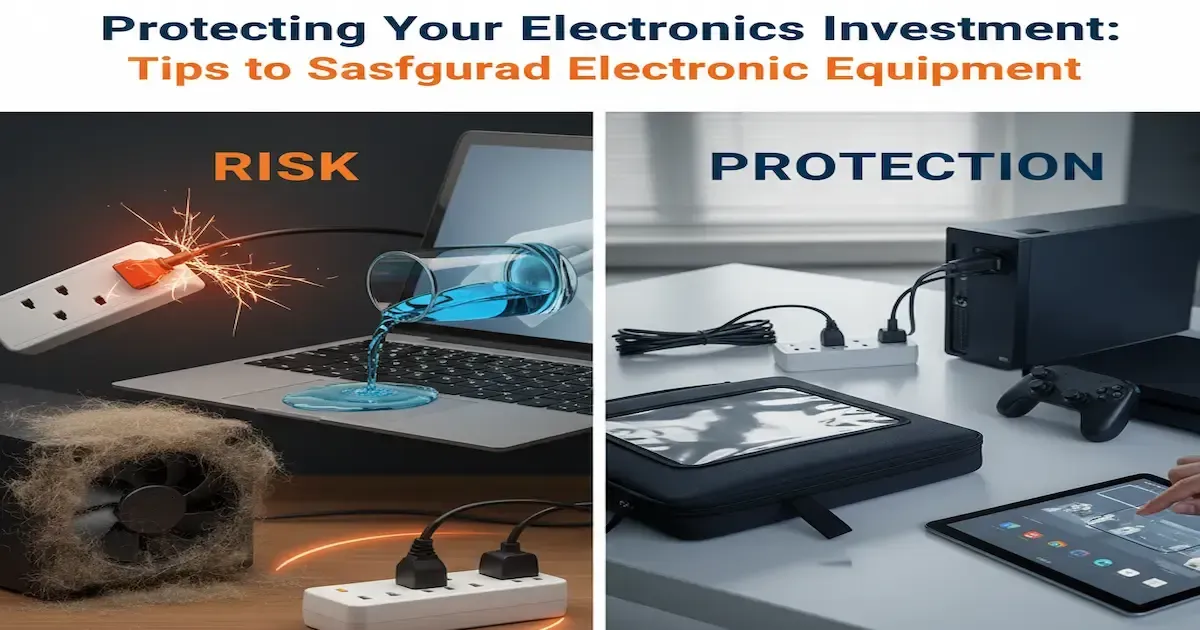
Protecting Your Electronics Investment: Tips to Safeguard Electronic Equipment
In homes across Los Angeles, electronic devices have become essential to our daily lives. From smart TVs and laptops to HVAC systems and home security, we rely on electricity for almost everything. But what happens when an unexpected power surge hits?
Without proper protection, you risk losing your most valuable tech. That’s where whole-house surge protection comes in, as a critical step in protecting your electronics investment and avoiding expensive damage. This guide offers essential tips and insights on how to effectively protect your electronic devices, focusing on physical security and internal safety measures to safeguard your entire electronic equipment setup.
Key Takeaways
Whole-house surge protectors are the best defense against voltage spikes caused by lightning, grid failures, or faulty appliances, protecting your electronics across every outlet.
The three main causes of dangerous surge events are lightning strikes, local power grid issues, and internal appliance malfunctions that can affect many devices.
When choosing a whole-house system, look for the UL 1449 Rating and a high Joule Rating (ideally 1,000–2,000 joules or more) for cutting-edge electronic protection.
Professional installation by a licensed expert is crucial for proper grounding and effectiveness, ensuring compliance with local codes and maximum safety.
Protecting your devices not only protects your investment but also reduces electronic waste and the environmental harm associated with hazardous material disposal from many devices.
Understanding Power Surges and Why You Should Care
A power surge happens when the flow of electricity is interrupted, then suddenly starts again, often at a much higher voltage. These sudden spikes can instantly damage or destroy your electronic devices, and many people don’t realize how common or dangerous they are. The resulting hardware damage can be permanent, leading to significant data loss or the complete malfunction of a device.
Common Causes of Damaging Power Surges
Here are the most common causes of this potentially damaging anomaly:
Lightning Strikes Near Power Lines
Even if lightning doesn’t strike your home directly, it can hit nearby power lines. That surge travels through the electrical grid and into your home, overwhelming your wiring. A single strike can fry every plugged-in device in a flash: TVs, modems, routers, and more. This is one of the most severe threats to your sensitive electronic equipment.
Issues with the Local Power Grid
In places like LA County, aging power grids are often under pressure. Grid switching, transformer failures, and line repairs can send unexpected voltage spikes into your home. These surges are unpredictable and can happen multiple times a year, putting your valuable electronics at continuous risk.
Faulty or Overloaded Appliances
Old or damaged appliances, like a malfunctioning air conditioner or fridge, can suddenly send a surge through your home's electrical system, necessitating immediate troubleshooting. These internal surges are just as dangerous as external ones, especially if you have sensitive electronics on the same circuit.
Downed Power Lines or Utility Switching
During storms or high winds, falling trees and accidents often bring down power lines, leading to potential surges that can damage many devices. When power is restored, the sudden flow can cause a sharp surge that may damage your sensitive electronic equipment. Homes in Southern California areas like Pasadena, Malibu, and Glendale are often exposed to these events.
How Whole House Surge Protection Works to Protect Your Investment
A whole-house surge protector is installed at your home’s main electrical panel and acts like a shield. It detects dangerous spikes in voltage and reroutes that extra energy safely into the ground before it can reach and ruin your devices, helping to protect your investment. This offers a superior level of protection compared to individual strips.
Components and Systems Protected by a Whole House System
Here’s a more detailed look at what this type of system protects and how it ensures optimal protection:
Hard Drives That Store Sensitive Data
Whether it’s your family photos or critical work files, many of us store important data on home computers or external hard drives. A sudden surge can wipe all of that in a split second, leading to catastrophic data loss. Surge protection helps ensure that your sensitive data remains safe and intact.
Smart TVs, HVAC Systems, and Connected Devices
We often forget that large appliances like air conditioners, heating systems, and refrigerators are just as vulnerable to power spikes. Add in smart TVs and constantly plugged-in cell phones, and you've got a lot at stake. Whole-house surge protectors shield these devices without needing individual plug-in protectors everywhere. This comprehensive coverage is critical for all your Internet of Things (IoT), smart home components, and many devices connected to your network.
Video Surveillance, Alarms, and Access Control Systems
Home security systems, especially ones with video surveillance and access control, must stay operational to keep your electronics and property safe. A power surge can disable them in seconds, leaving you unprotected. Whole-house protection safeguards these security solution systems, working even when voltage levels spike, thereby mitigating a significant vulnerability.
Installation and Environmental Benefits of Whole House Protection
Professional Installation and Proper Grounding
This isn’t a DIY job; protecting your devices requires professional expertise and proper security settings to ensure maximum safety. Surge protection must be installed correctly to be effective. Proper grounding and professional installation by experts like Cruz Electric are key to protecting your investment. Their work ensures long-term safety and reliability and helps reduce the risk of damage from surges.
Covers Every Outlet in the Home
Unlike plug-in strips that only protect a few outlets, whole-house systems defend every circuit from your kitchen to your garage. That means even your washing machine or smart thermostat gets the protection it needs. You don’t have to guess which device is safe and which isn’t.
Reduces Electronic Waste and Environmental Harm
When devices get fried, they often end up in the trash. That adds to e-waste, which can contain hazardous materials like lead and mercury. Surge protection keeps your electronics out of landfills and supports reuse, helping your home stay environmentally responsible while protecting your electronic devices. Considering the long-term impact, this is a responsible form of asset disposition.
Choosing the Right Surge Protection Setup
When it comes to protecting your valuable electronic devices in Los Angeles, choosing the right whole-house surge protection system is essential. The right setup ensures your electronics, like smart TVs, home monitors, and security systems, stay safe from unexpected power surges, especially in Southern California, where power disruptions are common. Here’s a simple guide to help you make the best decision to protect your investment in electronics:
Key Criteria for Optimal Protection
1. Look for a UL 1449 Rating (Essential)
The UL 1449 certification is a national safety standard for surge protectors, ensuring they meet necessary security settings for effective protection. This rating ensures the device has been tested and approved to handle electronic protection safely and effectively. Without it, your electronics might be exposed to hazardous levels of voltage.
2. High Joule Rating for Stronger Protection
Joules measure the energy a surge protector can absorb. The higher the joule rating, the better. A good surge protection system for homes in Los Angeles County should offer cutting-edge protection with at least 1,000–2,000 joules, especially to guard your hard drives, cell phones, and real-time monitoring systems.
3. Check Compatibility with Your Electrical Panel
Not all surge protectors fit every setup. Ensure your system is compatible with your existing electrical panel, especially in older homes or businesses in Los Angeles that may have outdated infrastructure. Compatibility ensures smooth operation and secure access for future upgrades.
Ensuring Long-Term Security and Sustainability
4. Professional Installation and Proper Grounding
Wrong installation is more than just a hassle; it can lead to hazardous conditions or even electrical fire prevention. That's why proper grounding and professional installation are key to protecting your investment. Experts provide services in Los Angeles that meet EPA and local regulatory requirements for safe installation.
5. Think Long-Term: Sustainability and Disposal
If you’re upgrading, consider what happens to your old equipment. Electronics recycling and responsible asset disposition help reduce e-waste, keeping hazardous materials out of landfills. Working with trusted electronics recycling companies ensures your electronic waste, including monitors, hard drives, and old access control devices, is certified, properly recycled, or securely disposed of without risk of unauthorized access to sensitive data.
Layered Protection: Cybersecurity and Physical Safeguards
While surge protection handles voltage anomalies, protecting your electronics also requires defense against cyber threats, such as phishing attacks, and physical vulnerabilities. Adopting security measures across all your connected devices provides multiple layers of protection.
Implement Strong Security Measures for Data Protection
Using strong, complex passwords on your router, computers, and any new device, along with changing the default password, is the first step in cybersecurity. You should also:
Install Antivirus Software and Malware Protection
Implement a reputable antivirus, install malware protection to detect and block malicious software, and be cautious of phishing emails to enhance your security. This helps significantly reduce the risk of infection.
Enable Firewall Protection
A properly configured firewall acts as a barrier, preventing unauthorized access to your computer or device from the internet, a crucial part of protecting your electronic infrastructure.
Encrypt Sensitive Data
Encrypt critical files and folders on your hard drive and laptop to protect the data even if a breach occurs, ensuring access to your device is secured. Encryption is a vital security feature for sensitive information and helps prevent unauthorized access to your device.
Physical and Environmental Protection Tips
Beyond the power grid and the internet, your electronic equipment faces physical risks:
Use an Uninterruptible Power Supply (UPS)
For computers and servers, uninterruptible power supplies (UPS) provide battery backup, allowing for a safe shutdown during a power outage or a severe surge, thus preventing data loss and hardware damage.
Maintain Temperature Control
Extreme temperatures or poor ventilation can affect the performance and lifespan of your internal components. Keep your electronics in a temperature-controlled environment.
General Physical Security
Physically safeguard your devices from theft or water damage. A strong physical security plan complements your technical security measures.
FAQs
Do I need surge protection even if I use power strips?
Yes, standard power strips offer minimal protection and only shield what’s plugged in. Whole-house systems are essential because they safeguard all circuits and appliances wired into your home, protecting your investment in all your storage devices and major systems like your HVAC.
Is surge protection necessary in Los Angeles?
Yes. With grid fluctuations, heat waves, and storms, homes and businesses in LA County need solid protection against potential threats like phishing and power surges. The increasing number of devices connected to the grid also increases the vulnerability to power issues, making a whole-house system a crucial security measure.
How does cybersecurity relate to hardware protection?
While surge protection handles physical threats from the power supply, good cybersecurity practices—like using a strong password and a firewall protect your electronic devices from threats like malware and unauthorized access. Both are required to truly protect your investment and avoid data loss.
How long does a whole-house surge protector last?
Typically, 5–10 years, but it should be inspected if you’ve experienced a strong surge to ensure it is still effective in protecting your sensitive electronic equipment.
Is surge protection worth the cost?
Yes. It’s far cheaper than replacing valuable electronics, dealing with asset disposition, or facing data loss. It’s a foundational security measure that significantly reduces the risk of catastrophic failure.
Conclusion
Power surges may seem small, but the damage they cause is huge. From broken electronic equipment to lost data and increased e-waste, the risks of not protecting your devices are real. Whole-house surge protection is a smart, cost-effective physical security solution for protecting your electronics investment and your peace of mind. By combining this with robust cybersecurity practices, you ensure your devices and data are fully safeguarded.
Trust Cruz Electric, one of the most reliable names in Los Angeles, to help you protect your home or business and your valuable electronics, including tablets and other devices. Get protected before it’s too late and ensure you can protect your devices.
