Circuit Breaker vs Fuse Box: What’s the Difference?
Your home’s safety depends on the system that protects its electricity. For many homeowners, the big question is circuit breaker vs fuse box, which one keeps your house safer and more reliable? The answer matters even more in Los Angeles, CA, where older wiring, earthquake-related surges, and summer heatwaves put extra stress on every electrical system.
That’s why understanding the difference between a circuit breaker and a fuse isn’t just about convenience. It’s about protecting your family, your property, and your peace of mind. Local experts like Cruz Electric see these problems every day, and knowing which option is right can save you from dangerous risks and costly repairs.
Circuit Breaker vs Fuse Box: What’s the Difference?
Why Electrical Safety Is a Big Deal in Los Angeles
Weaknesses of Circuit Breakers
Circuit Breaker vs Fuse Box – Key Differences
Common Problems Homeowners Face in Los Angeles
Why Upgrading to a Circuit Breaker Panel Matters
Signs You Should Replace Your Fuse Box
Which is safer for my Los Angeles home, a fuse box or a circuit breaker?
How do I know if my home still has a fuse box?
Can a fuse box handle modern appliances like EV chargers and central air?
How much does it cost in Los Angeles to upgrade from a fuse box to a circuit breaker panel?
Does Cruz Electric provide emergency service if my breaker keeps tripping?
Key Takeaways
Los Angeles summers put heavy strain on cooling systems. An outdated fuse box often blows whenever the air conditioner kicks on, leaving families without power during dangerous heatwaves and showing the limits of older electrical systems.
Modern appliances and EV chargers draw large amounts of power. Old circuits overload quickly, causing breaker switches to trip repeatedly. This disrupts daily routines and signals the need for a modern circuit breaker panel.
Earthquakes frequently disrupt the flow of electricity, creating power surges. Without updated circuit protection, these surges damage electronics like TVs and computers, leaving homeowners with expensive replacements and safety concerns.
Homes with fuse panels often fail safety inspections or insurance checks in Los Angeles. Inspectors mark them as outdated because fuses cannot handle modern demands, making upgrades essential for compliance and resale value.
Insurance companies consider fuse vs circuit breaker systems differently. Properties with fuse boxes are often labeled unsafe, leading to higher premiums or denial. coverage, while circuit breaker panels lower the risk and make approval easier.
Lights flickering or dimming whenever multiple appliances run is a clear sign of an overloaded electrical circuit. This issue is common in Los Angeles' older homes, where wiring and fuse boxes can’t keep up.
Why Electrical Safety Is a Big Deal in Los Angeles
Los Angeles is full of older neighborhoods like Silver Lake, Echo Park, and East LA. Many homes here were built decades ago with fuse boxes that were never designed for today’s heavy loads. Now add the fact that California’s heatwaves push air conditioners to their limits, while earthquakes cause unexpected power surges and even damage wiring.
More residents are also installing solar panels and EV chargers. These demand far more from an electrical circuit than a basic fuse and circuit breaker system in a 1950s home can handle. Without proper upgrades, homeowners face risks like overload, fire hazards, or constant breaker trips. That’s why understanding the difference between circuit breaker panels and older fuse panels is essential before problems escalate.
What Is a Fuse Box?
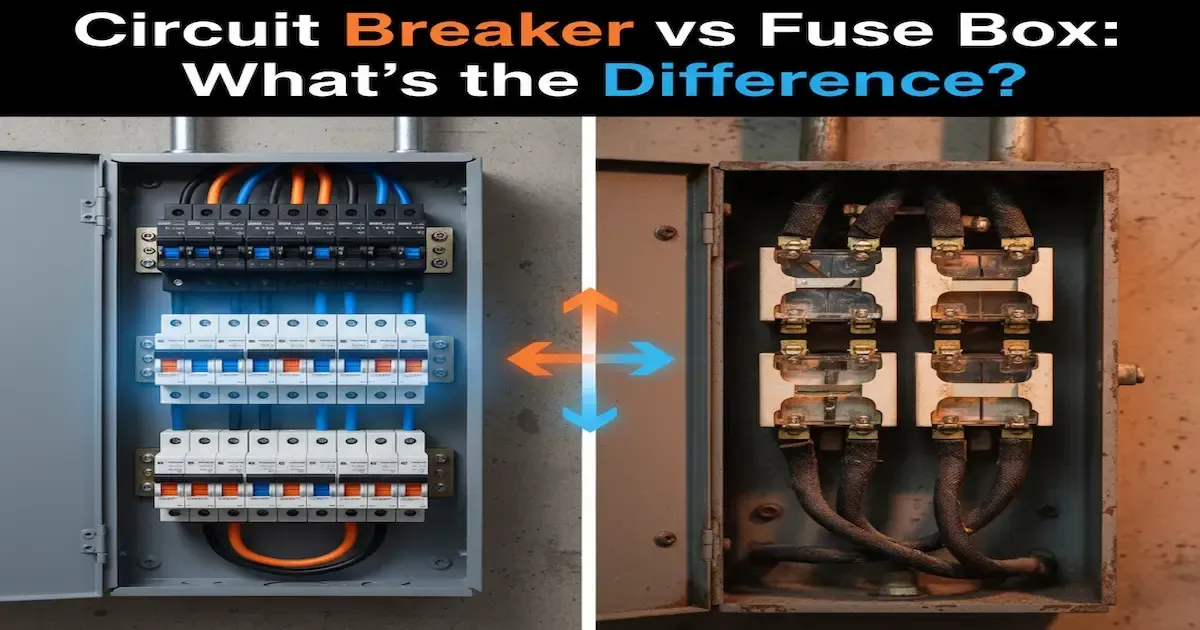
A fuse box is the older method of circuit protection. Inside, each circuit is guarded by a small fuse wire, a thin piece of metal wire designed to melt during an overload or short circuit. When the fuse blows, the flow of electricity stops instantly, preventing overheating and fire.
Strengths of Fuse Boxes
Inexpensive upfront.
Simple design with few moving parts.
Effective for smaller homes with limited electrical demand.
Weaknesses of Fuse Boxes
Inconveniently, you must replace a fuse each time it blows.
Difficult for homeowners without experience.
Fuses cannot support today’s high-powered devices.
Often common in older homes, making insurance approval harder.
For many Los Angeles homeowners, living with a fuse panel means dealing with constant frustrations and higher risks.
What Is a Circuit Breaker?
A circuit breaker is a modern safety device that interrupts the flow of current when too much current passes through a circuit. Unlike a fuse, it doesn’t melt. Instead, a switch mechanism flips to disconnect power instantly. Homeowners can simply reset it, restoring electricity in seconds.
Strengths of Circuit Breakers
Circuit breakers are reusable and do not require replacement.
Safer for homes with heavy appliances like central A/C or EV chargers.
Offer ground fault protection and faster response time (0.002 seconds vs 0.02–0.05 seconds for fuses).
Easier for inspectors to approve during property sales.
Weaknesses of Circuit Breakers
Higher upfront installation cost.
Require a professional electrician for safe installation.
Slightly more complex system.
In Los Angeles, where demands on power are high and safety codes strict, circuit breaker panels are becoming the standard.
Circuit Breaker vs Fuse Box – Key Differences
Every home needs a reliable way to stop dangerous surges of electricity, but many homeowners still wonder about the difference between a circuit breaker and a fuse box. Both protect your electrical system, yet they work in very different ways.
In Los Angeles, CA, this choice is more than technical about safety, convenience, and meeting today’s high energy demands. With older houses across the city still using fuse boxes, problems like blown fuses, overheating, and insurance issues are common. Knowing the circuit breaker vs fuse box advantages helps you decide when it’s time to upgrade and why calling a local expert makes all the difference.
The main differences show why circuit breakers provide more protection and convenience.
Common Problems Homeowners Face in Los Angeles
In Los Angeles, CA, many homeowners still live in older houses powered by a fuse box instead of modern circuit breaker panels. While both a circuit breaker and a fuse protect against overload and short circuits, the differences between the two show up quickly in daily life.
Outdated electrical systems struggle to handle today’s high demand from air conditioning, EV chargers, and modern appliances. This often leaves residents frustrated, unsafe, and in need of professional help.
Blown fuse every time the air conditioner kicks on during a heatwave.
Frequent breaker trips when charging an EV and running laundry at the same time.
Power surges after an earthquake damage sensitive electronics.
Homes are failing inspection because of outdated electrical panels.
Insurance delays or higher premiums for properties with fuse boxes instead of circuit breaker panels.
Flickering lights or dimming when multiple appliances run at once.
Higher fire risks from overheated wiring in older homes.
Homeowners often feel stuck between replacing one fuse vs circuit breaker panel upgrade. This is where calling an expert like Cruz Electric makes the decision easier.
Why Upgrading to a Circuit Breaker Panel Matters
California codes increasingly require circuit breakers and fuse boxes to meet modern standards. Insurers in Los Angeles may even deny coverage for homes with outdated fuse panels. So, what does upgrading mean? Let’s take a look below.
Protection against overheating and short circuits.
Compatibility with solar, EV chargers, and HVAC systems.
Better defense against ground fault and electrocution.
Increased home value and easier permit approvals.
In Los Angeles, upgrading isn’t just about safety; it’s about keeping your home functional in a modern, high-demand city.
Signs You Should Replace Your Fuse Box
Many homeowners in Los Angeles still live in properties that rely on an outdated fuse box instead of a modern circuit breaker panel. While both a circuit breaker and a fuse serve the same role, stopping the flow of electricity during an overload, the difference between a circuit breaker and an older fuse panel is safety, convenience, and compliance with today’s codes.
If your electrical system shows warning signs, it may be time to call a professional electrician before small issues turn into big risks.
Constantly needing to replace a fuse or dealing with fuse blows.
Lights flickering during heavy appliance use, showing strain on your circuits.
Burn marks, buzzing sounds, or burning smells near your electrical panel.
Problems getting permits or insurance approval for older homes.
A home inspection noting your breaker and a fuse box is outdated.
If you notice any of these issues, upgrading to a circuit breaker system is the safer choice. Contact Cruz Electric to inspect your panel, explain the key differences, and help you protect your home’s electrical system.
FAQs
Which is safer for my Los Angeles home, a fuse box or a circuit breaker?
A circuit breaker and a fuse serve the same purpose, but circuit breakers are typically safer, faster, and reusable.
How do I know if my home still has a fuse box?
Check for small round glass plugs or pull-out blocks instead of modern breaker switches.
Can a fuse box handle modern appliances like EV chargers and central air?
No. Fuses protect smaller systems, but they cannot handle today’s high-powered appliances.
How much does it cost in Los Angeles to upgrade from a fuse box to a circuit breaker panel?
Costs vary, but most homeowners spend between $1,500–$3,000, depending on the size of the electrical circuit and code requirements.
Does Cruz Electric provide emergency service if my breaker keeps tripping?
Yes. Cruz Electric offers same-day service across Los Angeles for emergencies, upgrades, and inspections.
Conclusion
Understanding the Circuit Breaker vs Fuse Box debate is more than an academic exercise; it’s a safety decision. In Los Angeles, outdated fuse panels can’t keep up with modern demands, leaving homes at higher risk of fire, surges, and power failure.
Choosing a circuit breaker or fuse solution depends on your home’s age, wiring, and needs, but most homeowners benefit from upgrading. For peace of mind, call Cruz Electric, the trusted local experts who can protect your home’s electrical system with reliable upgrades and emergency service.
